
Japan is known for its rich culture, beautiful traditions, and consideration for others. During your trip, you may notice that people follow certain customs in public places, restaurants, temples, and traditional buildings.
You don’t need to know every Japanese custom to enjoy your trip. However, understanding a few basic manners can help you feel more comfortable, avoid common misunderstandings, and show respect for local culture.
Some customs may be different from what you’re used to at home. For example, people often keep their voices low on public transportation, remove their shoes in certain places, and follow specific rules when visiting temples or taking photographs.
In this guide, we’ll introduce the essential Japanese manners every traveler should know, along with practical tips to help you navigate everyday situations with confidence.
Quick Answer
Visiting Japan for the first time? Keep these 5 basic manners in mind to make your trip more comfortable.
- Bow politely and say “ Arigato “ to show appreciation.
- Remove your shoes when required and follow local signs.
- Keep your voice low on public transportation.
- Follow queues and allow others to exit before boarding.
- Respect local rules for eating, photography, and rubbish.
What you need to know
1.Bowing
Bowing is a common way to greet people, express gratitude, and show respect in Japan. You may see people bow when greeting someone, thanking a person, or saying goodbye.
As a visitor, you don’t need to master formal bowing techniques. A small nod or a slight bow is usually enough when greeting someone or saying thank you. A friendly smile and a simple “Arigato” (thank you) are also appreciated.
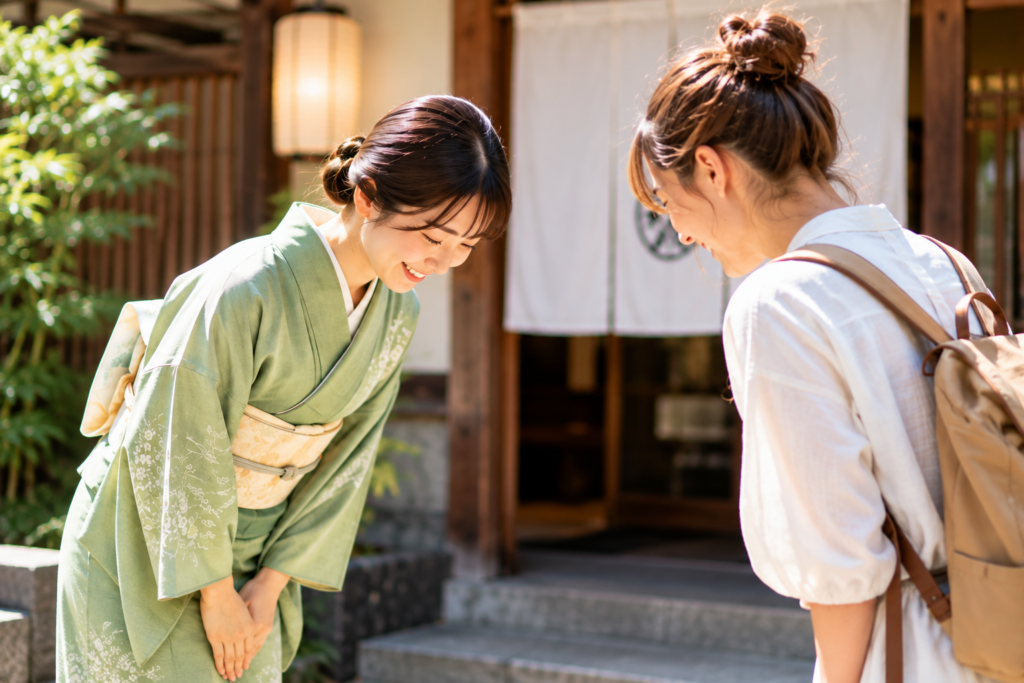
Travel Tip: When thanking hotel staff, shop assistants, or someone who has helped you, a slight bow and a sincere “Arigato gozaimasu” are a polite way to show appreciation.
Shoes
In Japan, removing your shoes is customary in many places, including traditional Japanese inns (ryokan), some restaurants, and certain temples and traditional buildings.
Look for a designated shoe-removal area, a raised entrance, or signs asking visitors to take off their shoes. Some places provide indoor slippers, while others ask you to walk in socks or barefoot.
If toilet slippers are provided in a restroom, use them only inside that area and remember to change back into your regular indoor slippers when you leave.
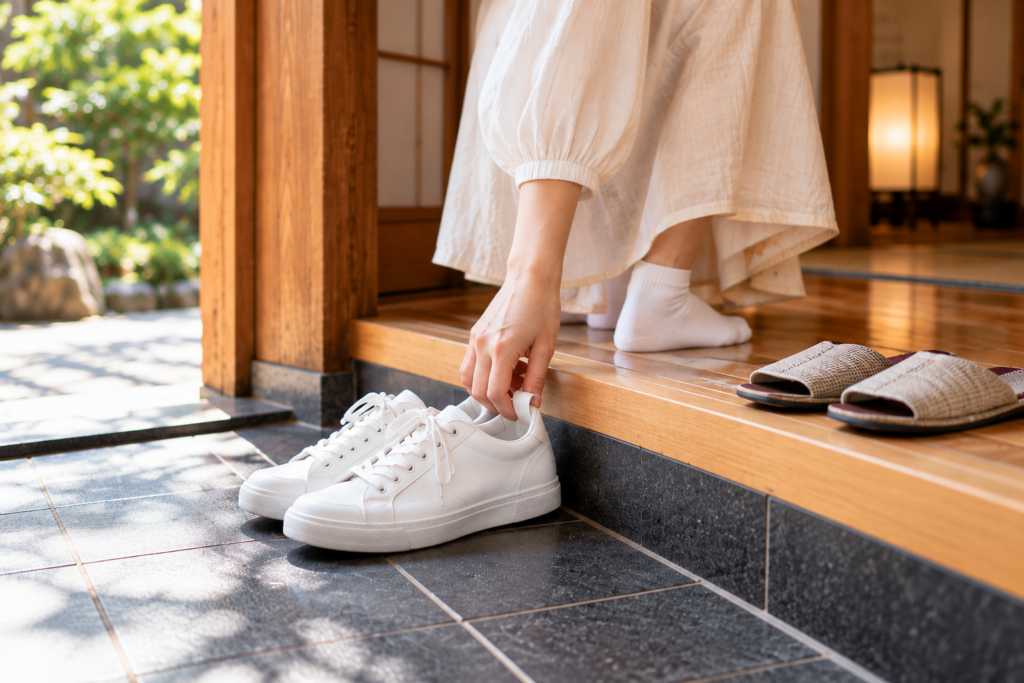
Travel Tip: Wear shoes that are easy to take off and put on. This is especially convenient when visiting traditional buildings or staying at a ryokan.
Public transportation
Trains and buses are essential parts of daily life in Japan. Keeping shared spaces comfortable for everyone is an important part of public transportation etiquette.
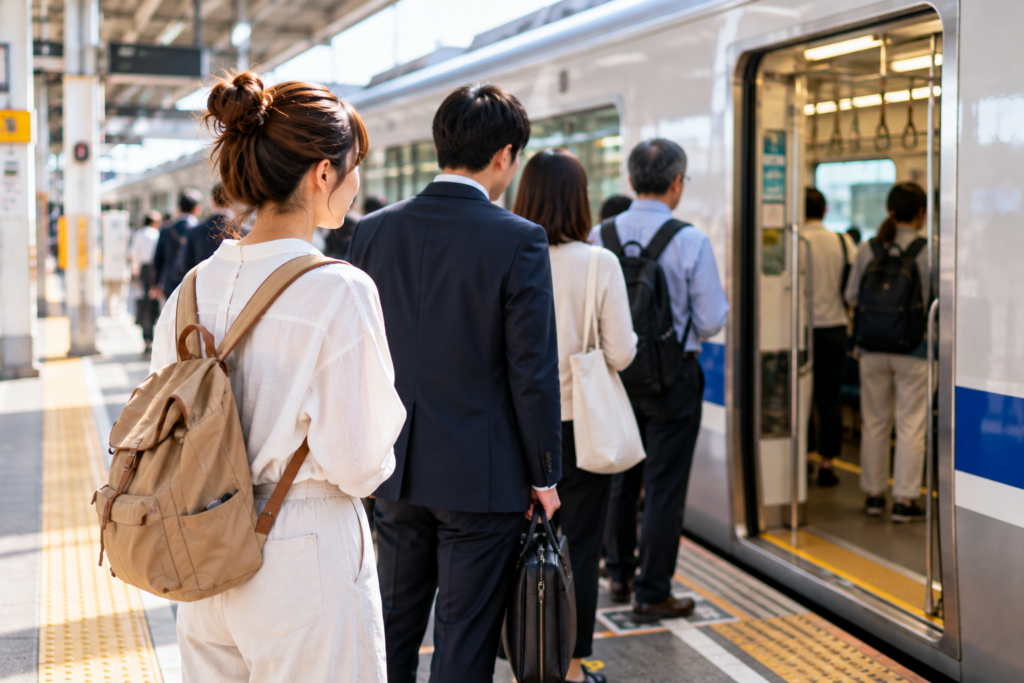
Speak quietly and avoid phone calls on crowded trains. If you listen to music or watch videos, use headphones and keep the volume low. On busy trains, keep your backpack close to your body so you don’t bump into other passengers.
When boarding, allow passengers to exit first. Avoid blocking doors and keep aisles clear, especially when carrying large luggage. Priority seats are intended for passengers who may need them, so be considerate of others.
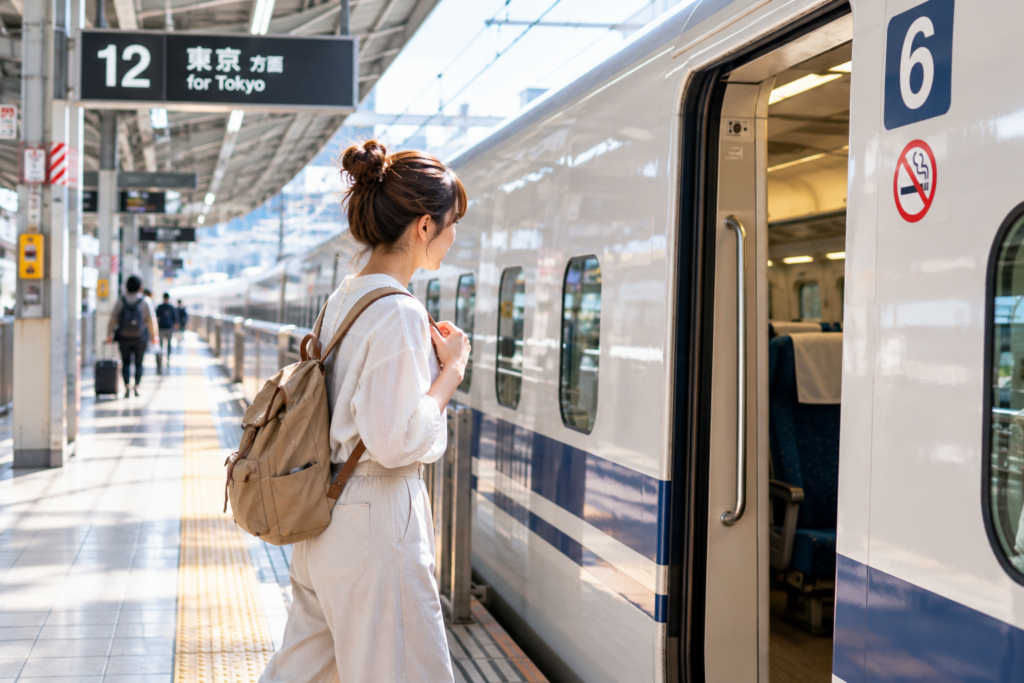
Travel Tip: Trains can be very crowded during weekday rush hours. If your schedule allows, traveling outside peak commuting times may make your journey more comfortable.
Queuting
People in Japan generally form orderly lines when waiting for trains, buses, restaurants, and other services.
At train stations, look for markings on the platform that show where passengers should line up. Stand behind the people already waiting, and let passengers get off the train before boarding.
Some restaurants use waiting lists, numbered tickets, or sign-in systems. Follow the instructions provided by the restaurant rather than assuming you can join a queue anywhere.
Travel Tip: If you’re unsure whether eating is appropriate in a particular place, look for signs or ask a staff member. At restaurants, follow the establishment’s rules about outside food and drinks.
Eating & Drinking
Japanese dining customs vary depending on the location, but a few basic manners can help you feel more comfortable.
Before eating, you may hear people say “Itadakimasu,” an expression of appreciation before a meal. After finishing, “Gochisosama deshita” is a common way to express thanks for the food.
Eating while walking is discouraged in some places, although customs vary by area. Follow local signs, especially at busy tourist attractions, markets, and festivals.
On crowded commuter trains, avoid eating food with strong smells or anything that might inconvenience other passengers. Eating and drinking are generally more acceptable on many long-distance trains, but practices vary by service.
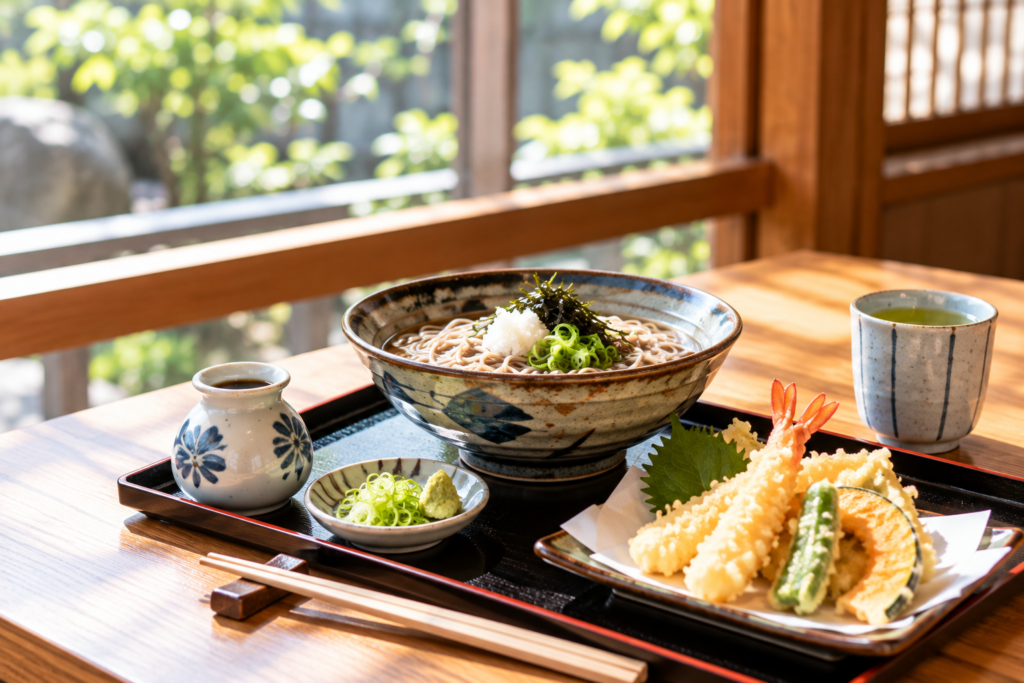
Travel Tip: If you’re unsure whether eating is appropriate in a particular place, look for signs or ask a staff member. At restaurants, follow the establishment’s rules about outside food and drinks.
Photography
Japan offers many beautiful places to photograph, from historic temples and shrines to lively shopping streets. However, it’s important to respect people’s privacy and follow local photography rules.
Before taking close-up photos of people, ask for their permission. Be especially considerate when photographing children, performers, or people wearing traditional clothing.
Some temples, shrines, museums, shops, and restaurants restrict photography in certain areas. Look for signs and follow staff instructions. Avoid blocking pathways or entrances while taking pictures, and remember that some people may be visiting religious sites to pray.
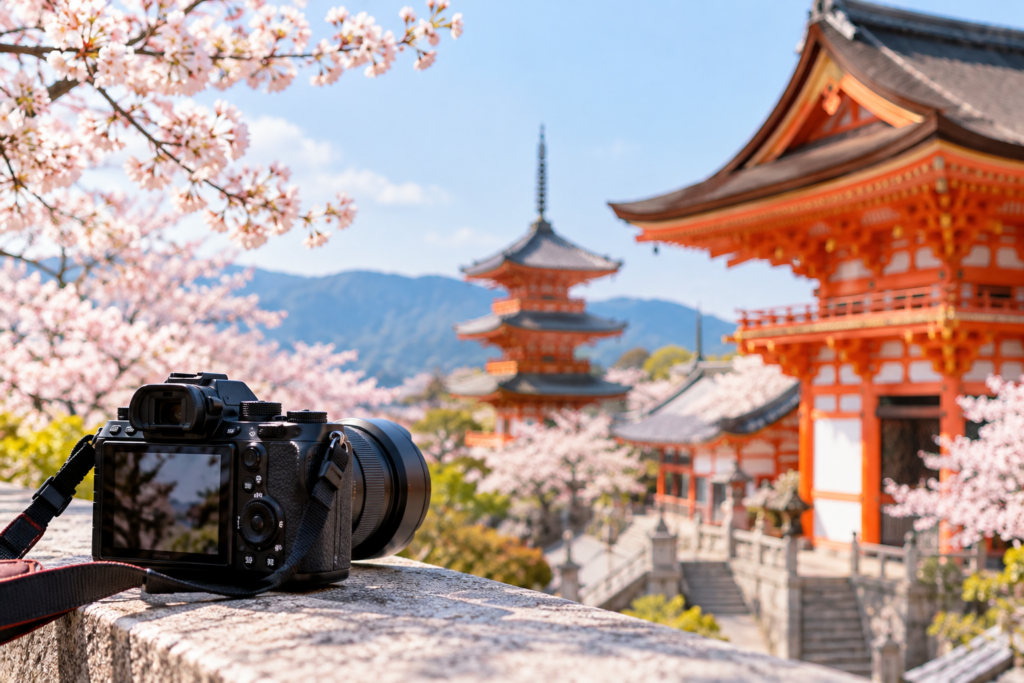
Travel Tip: When in doubt, ask before taking a photograph. Some locations also restrict flash photography, tripods, or commercial photography.
Garbage
Public rubbish bins can be less common in Japan than some visitors expect. You may find bins near vending machines, convenience stores, train stations, or designated recycling areas, but availability varies.
It’s common to carry your rubbish until you find an appropriate place to dispose of it. A small reusable bag can be useful for keeping wrappers and other waste together while you’re sightseeing.
When you find a set of recycling bins, check the labels carefully. Depending on the location, separate bins may be provided for burnable garbage, cans, bottles, and plastic bottles. Follow the instructions displayed on each bin.
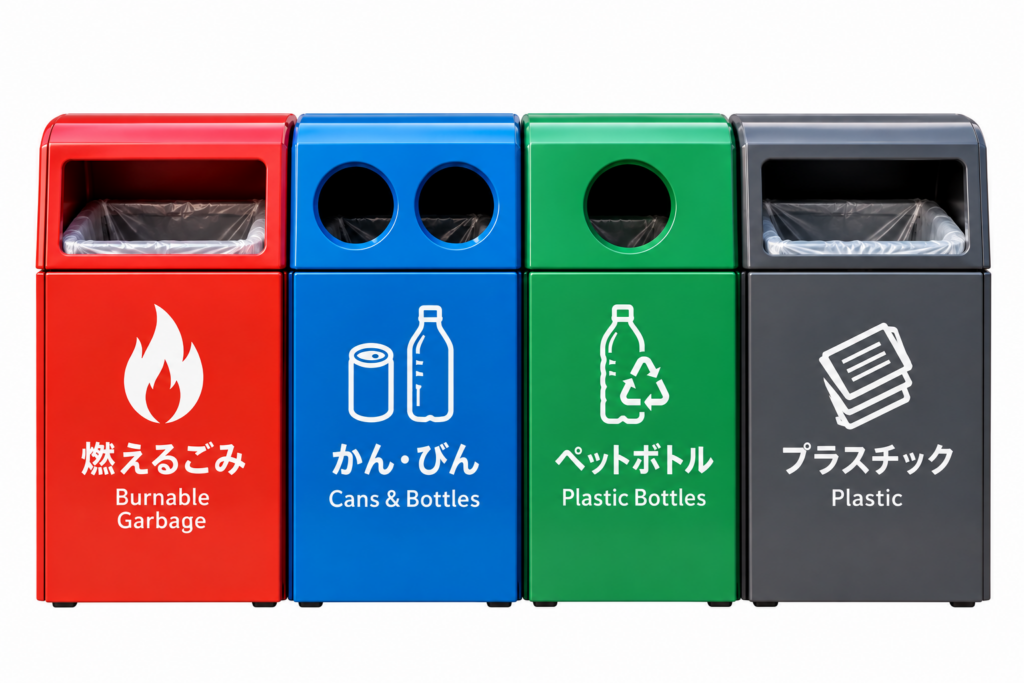
Travel Tip: Don’t leave rubbish on benches, streets, or public transport. If you can’t find a suitable bin, take your rubbish with you until you can dispose of it properly.
Tipping
Tipping is generally not expected in Japan. At most restaurants, cafés, taxis, and hotels, you can usually pay the amount shown on the bill without adding an extra tip.
Good service is considered part of the experience, and a sincere “Arigato gozaimasu” (thank you very much) is a natural way to express appreciation.
Some establishments may add a service charge, so check your bill if you’re unsure what is included. Practices can vary in certain settings, so follow the information provided by the service provider.
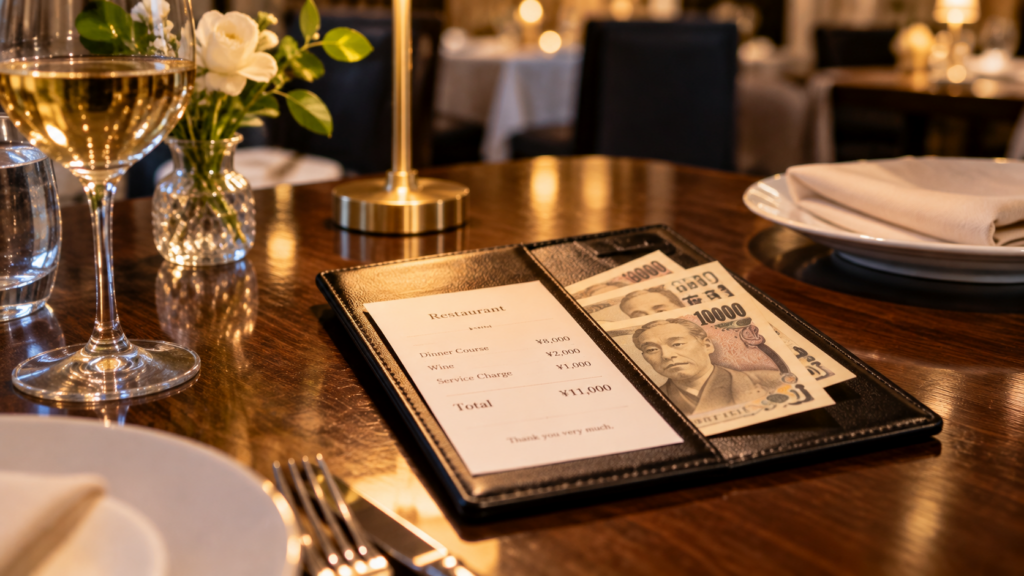
Travel Tip: You don’t need to calculate a percentage tip after every meal. A polite thank-you is usually enough.
Onsen & Public Bath Etiquette
Japanese hot springs (onsen) and public baths are popular places to relax and enjoy a traditional part of Japanese culture. Because these facilities are often shared by many visitors, following a few basic rules helps keep the experience comfortable for everyone.
At most traditional public baths, wash your body before entering the shared bath. Keep your towel out of the bathwater, avoid splashing, and tie up long hair so it doesn’t touch the water.
Many facilities have separate bathing areas for men and women. Check the signs before entering, and follow the facility’s rules regarding tattoos, swimwear, and photography. Rules can vary between establishments, so check the information provided before your visit.
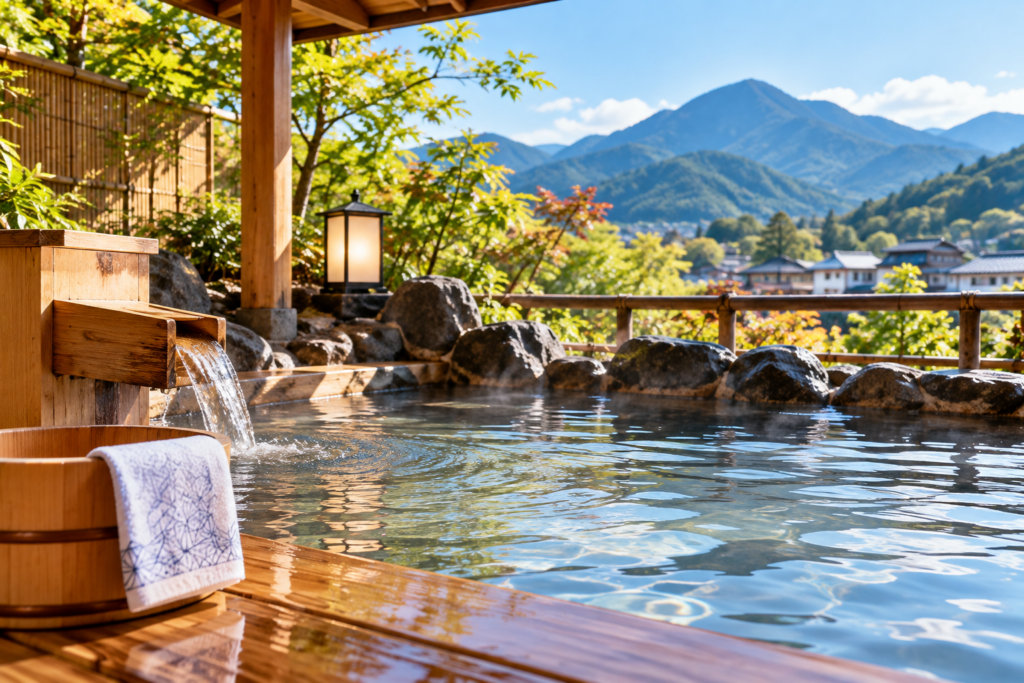
Travel Tip: Visiting an onsen for the first time can feel unfamiliar, but learning a few basic rules beforehand makes the experience easier. See our Onsen Guide for more information about bathing etiquette, towels, tattoos, and what to expect.
Need help?
Not sure what is considered polite in Japan? Explore our practical guides to Japanese manners and customs to travel with confidence.