
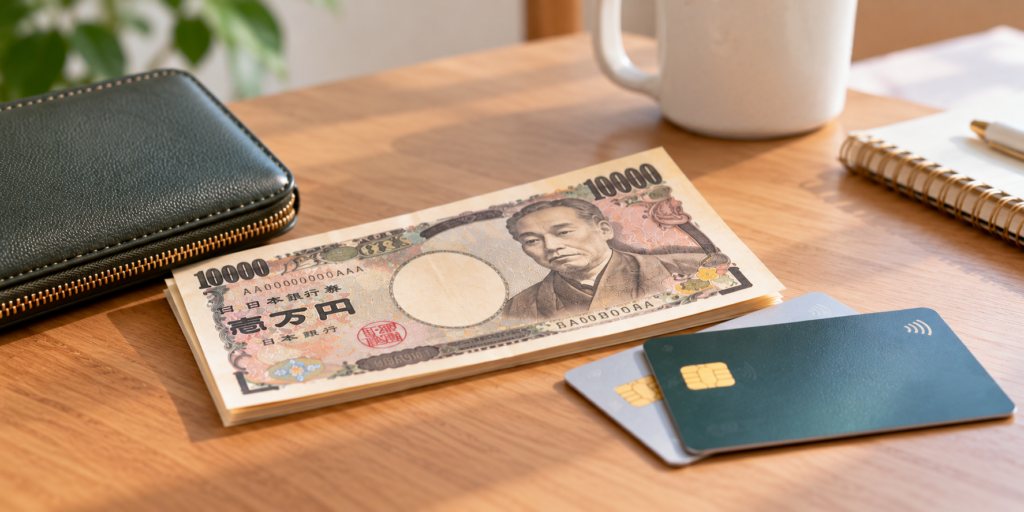
Understanding money in Japan can make your trip much easier. Although credit cards and cashless payments are widely used, cash is still important in some situations, especially at small restaurants, local shops, and in rural areas.
In this guide, you’ll learn how to use Japanese yen, pay by credit card, use IC cards, find ATMs, and exchange foreign currency. We’ll also explain tipping customs in Japan and what to do if you run out of cash.
With a little preparation, you can feel more confident about paying for things in Japan and focus on enjoying your trip.
Quick Answer
Traveling in Japan? Here are 5 things to know about money.
- Carry some Japanese yen.
- Check whether cards are accepted.
- Learn how to use IC cards.
- Find an ATM that accepts your card.
- Remember that tipping is generally not expected.
What you need to know
Cash in Japan
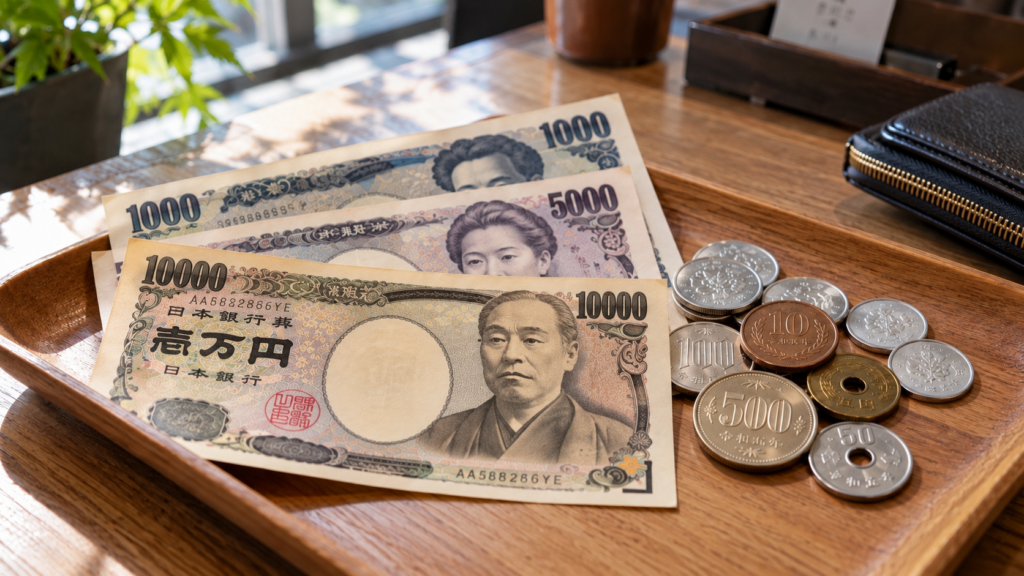
Cash is still useful in Japan, especially at small restaurants, local shops, and some tourist attractions. Although credit cards and cashless payments are widely used, some places may accept cash only. Carrying some Japanese yen is a good idea, particularly when visiting rural areas or smaller towns.
Credit cards
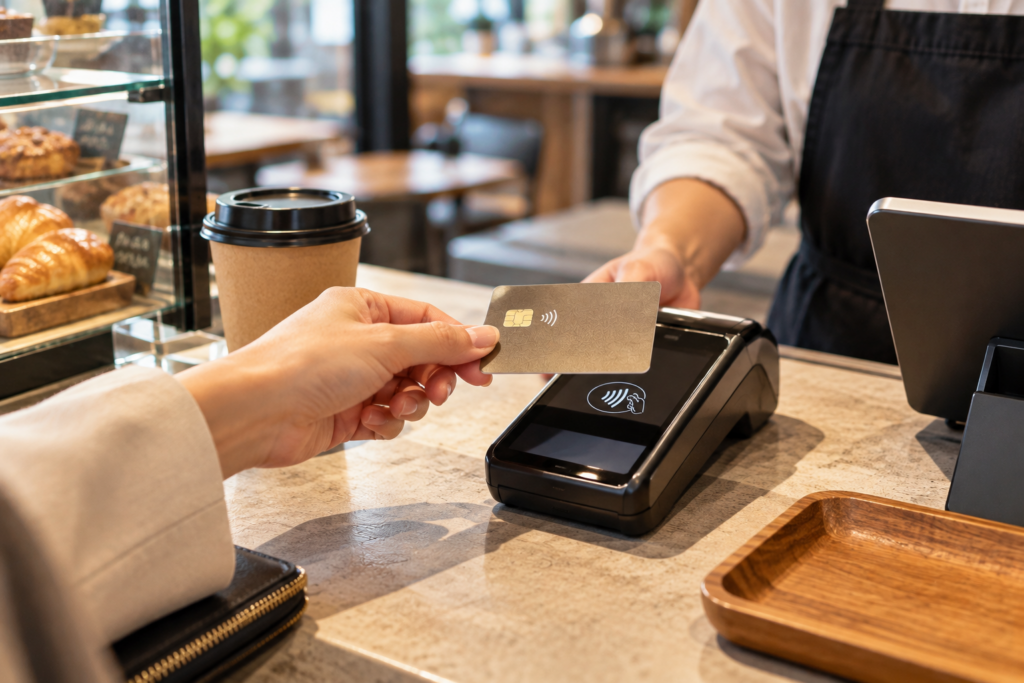
Credit cards are widely accepted at hotels, department stores, shopping malls, and many restaurants in Japan. Visa and Mastercard are commonly accepted, but some smaller businesses may only accept cash. Check your card’s overseas setting and fees before your trip, and keep some Japanese yen as a backup.
IC cards
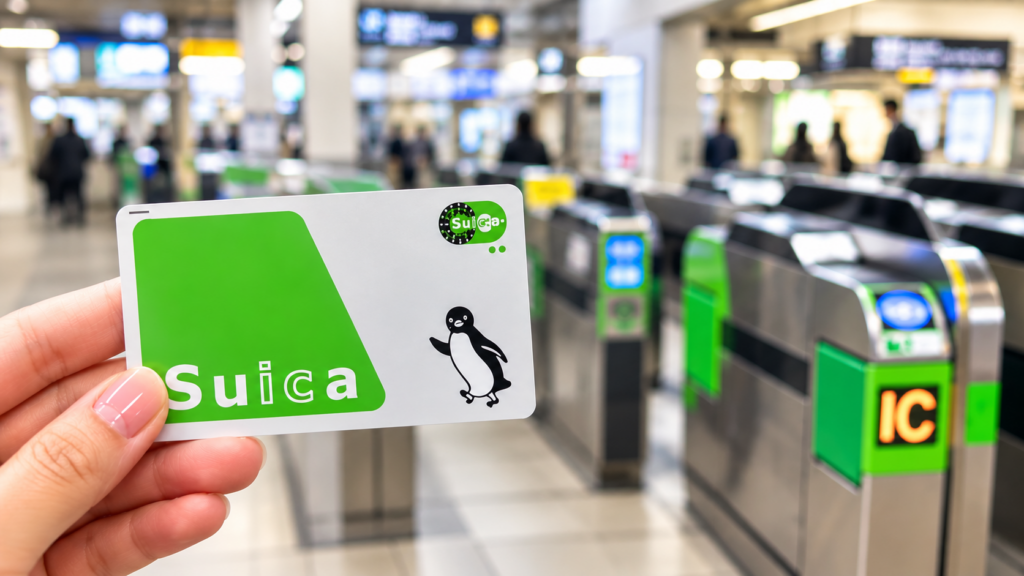
IC cards such as Suica, PASMO, and ICOCA make traveling around Japan more convenient. You can use them to pay for many train, subway, and bus journeys, as well as purchases at participating convenience stores and vending machines. However, not every train line or region accepts IC cards, so check your route before traveling.
ATMs
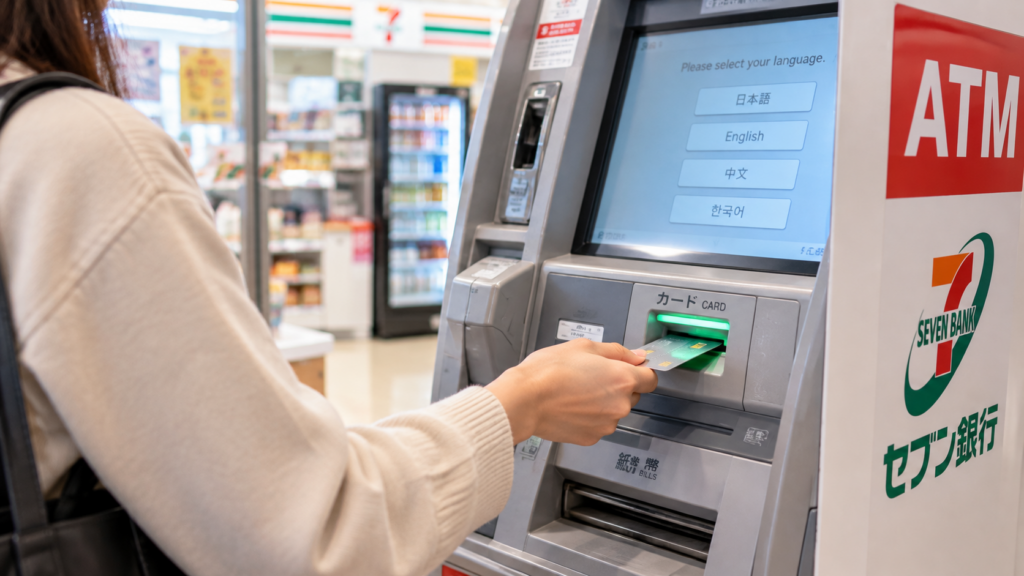
ATMs are a convenient way to withdraw Japanese yen during your trip. Many ATMs at convenience stores and some post offices support overseas-issued cards, but acceptance depends on your card and the ATM. Before withdrawing cash, check for withdrawal limits and possible fees from both your bank and the ATM operator.
Tipping
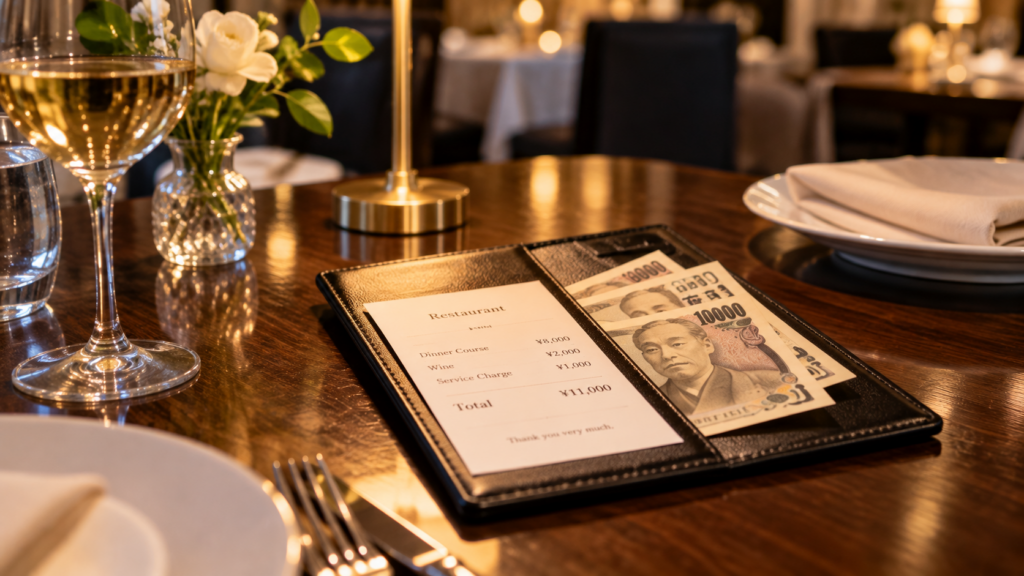
Tipping is generally not expected in Japan. At most restaurants, cafes, hotels, and taxis, you can simply pay the amount shown on the bill. Some establishments may include a service charge, so check your bill before paying. A simple “ Arigatou gozaimasu” is a natural way to show your appreciation.
Currency exchange
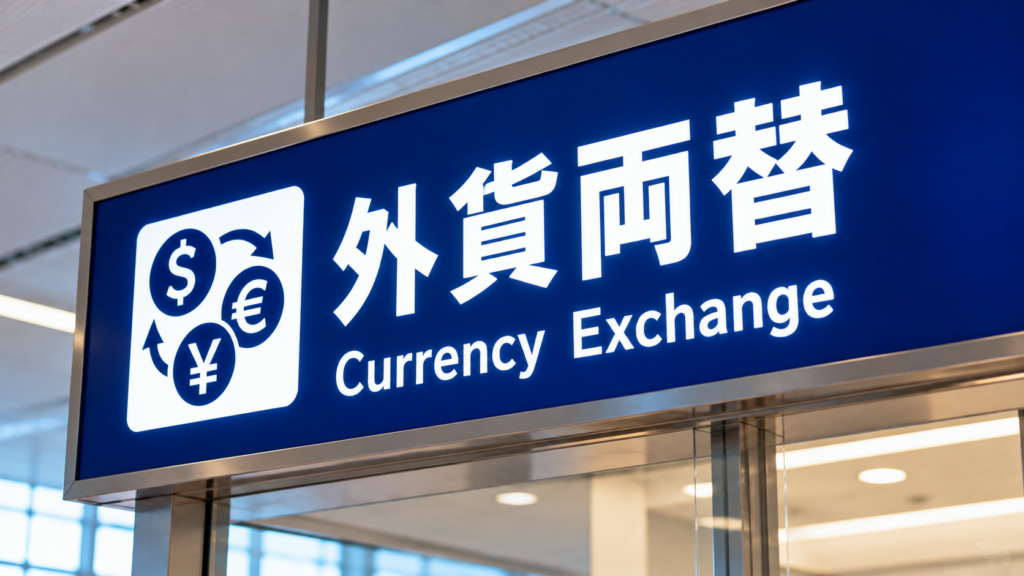
You can exchange foreign currency for Japanese yen at major airports, selected banks, and dedicated currency exchange counters. Exchange rates and fees vary, so compare your options before exchanging money. You may not need to exchange everything at once – start with enough cash for transportation, meals, and small purchases.
When you run out of cash
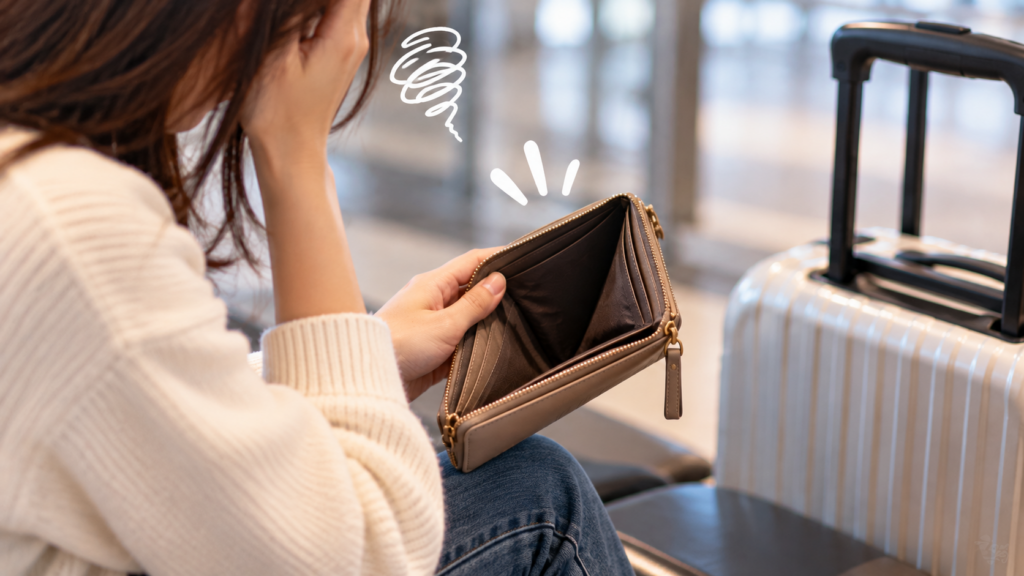
Running out of cash during your trip can be stressful, but there are several ways to get more Japanese yen. Look for an ATM that supports your overseas-issued cards, or ask whether the business accepts credit cards or other cashless payments. If your card does not work, check your withdrawal limits and contact your bank if necessary. Keeping a backup card and some cash in a separate place can also help.
Need help?
Not sure how to pay, withdraw cash, or use your card in Japan? Don’t worry – we’ve got you covered.
From finding an ATM that accepts your card to understanding cashless payments and knowing when to carry cash, our practical guides will help you handle everyday money situations with confidence.
Explore our guides below to find simple, step-by-step explanations and helpful tips for a smoother trip around Japan.