
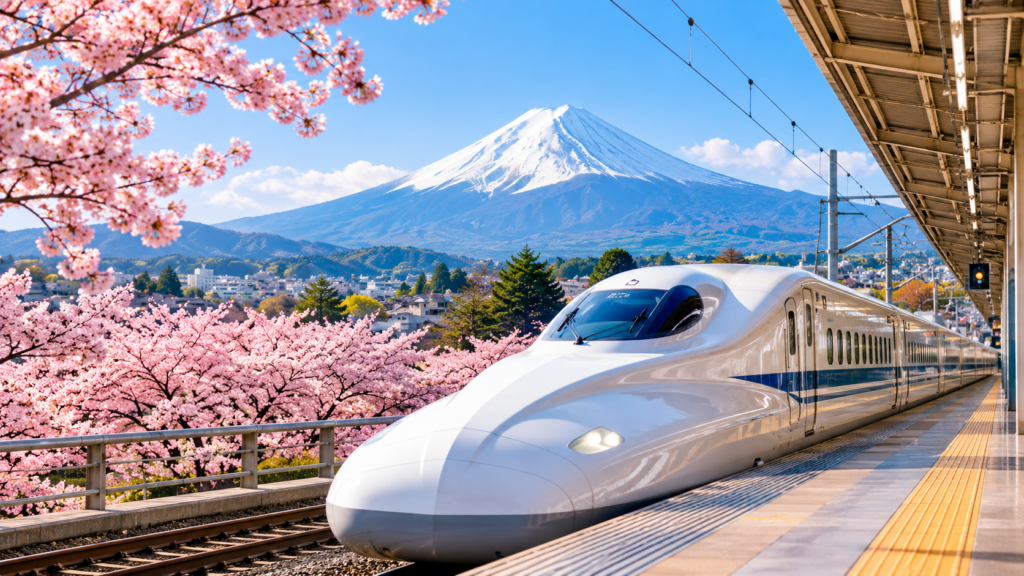
Japan’s trains are fast, convenient, and reliable. But for first-time visitors, they can sometimes feel confusing. Japan has many different railway companies. In addition to JR, you may use subway and private railway lines depending on your destination. Different companies may use different tickets, fares, and platforms, so always check the train line and destination before boarding.
Quick Answer
Traveling by train in Japan? Start with these 5 steps.
- Check your route
- Choose your train
- Check your platform
- Buy a ticket or use an IC card
- Board and enjoy!
What you need to know
Train tickets
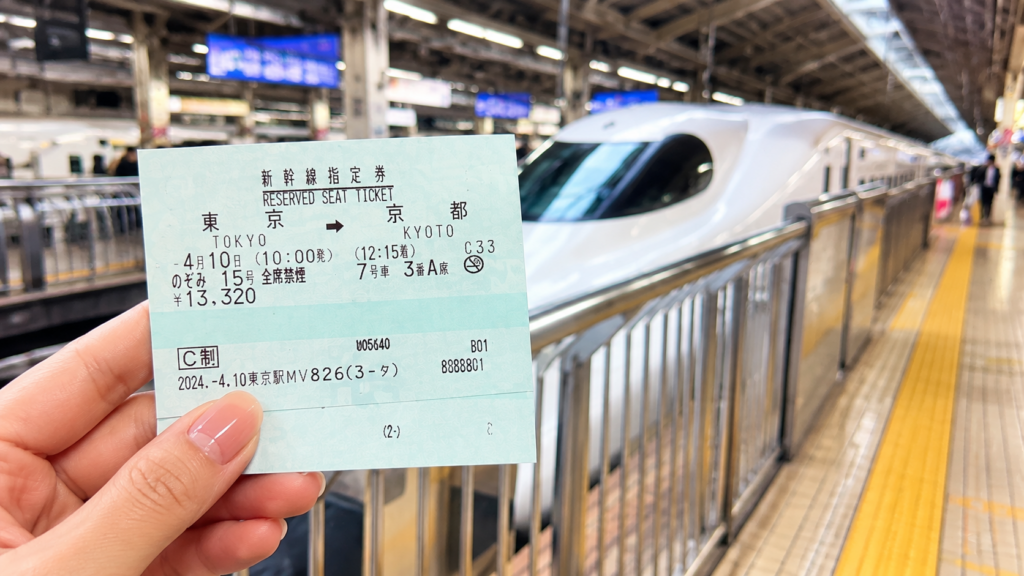
Do I need a train ticket?
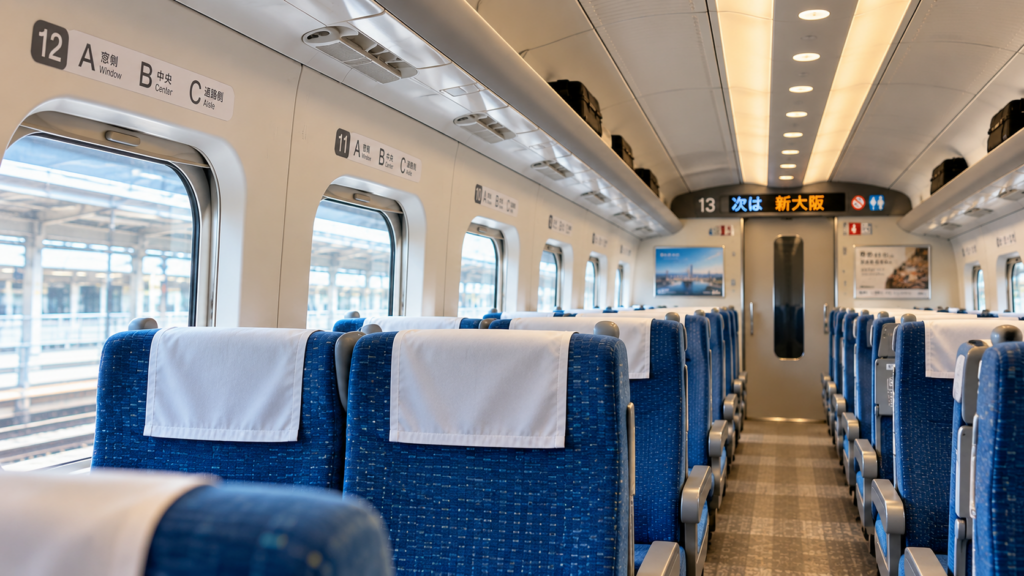
Japan has several types of train tickets and passes. The right option depends on where you are going and how often you travel. Some trains have reserved and non-reserved seats. Local and rapid trains usually do not require seat reservations, while some Limited Express and Shinkansen service may require or recommend them.
Shinkansen
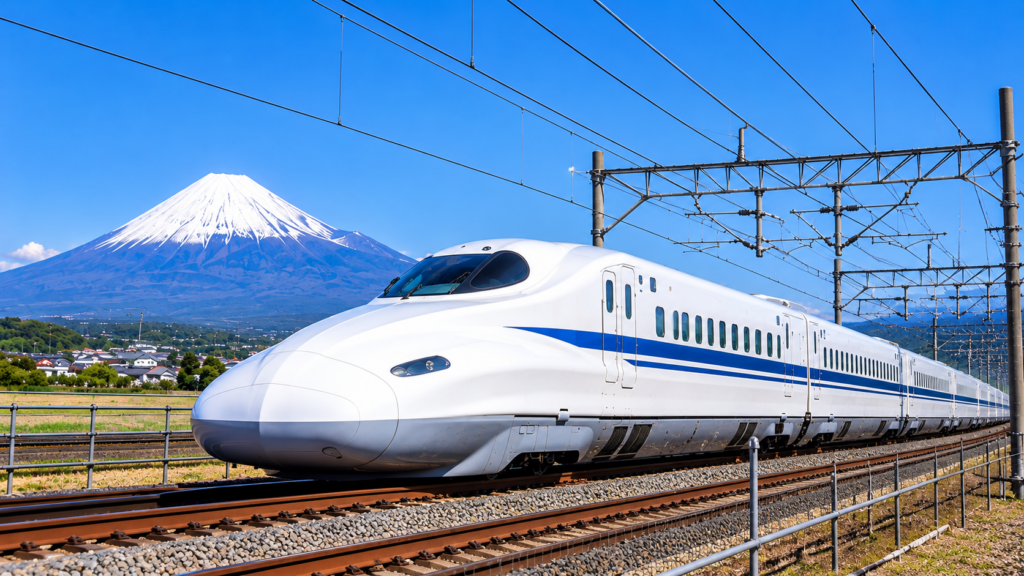
The Shinkansen is Japan’s high-speed train. It connects major cities such as Tokyo, Kyoto, Osaka, and Hiroshima, and is a convenient option for longer journeys.
IC cards
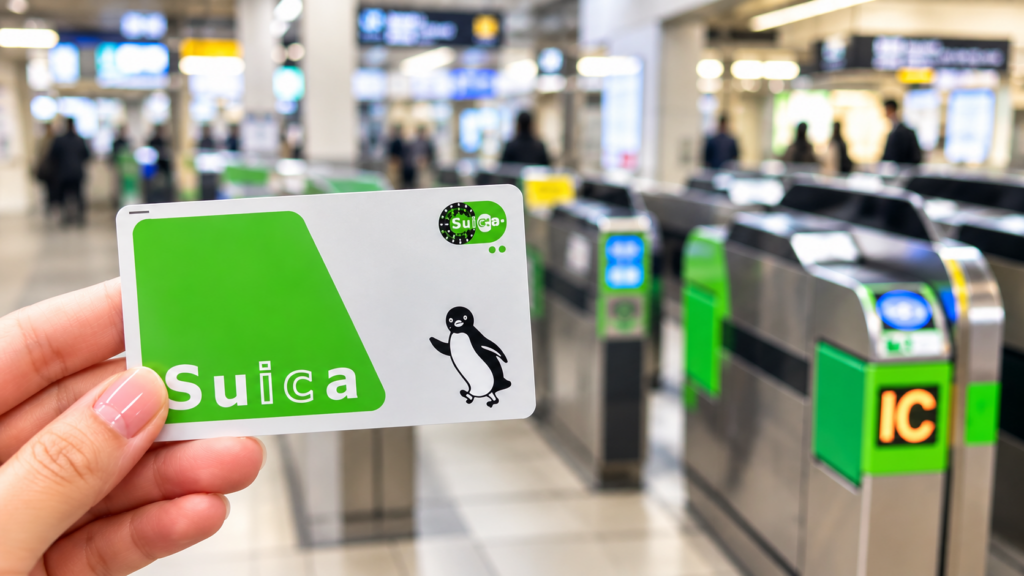
IC cards such as Suica, PASMO, and ICOCA make everyday travel easy. You can use them on train, subways, and buses, and at many convenience stores and vending machines. IC cards are convenient, but they are not accepted on every train or in every area. Check before you travel, especially in rural areas.
Local, Rapid & Limited Express trains
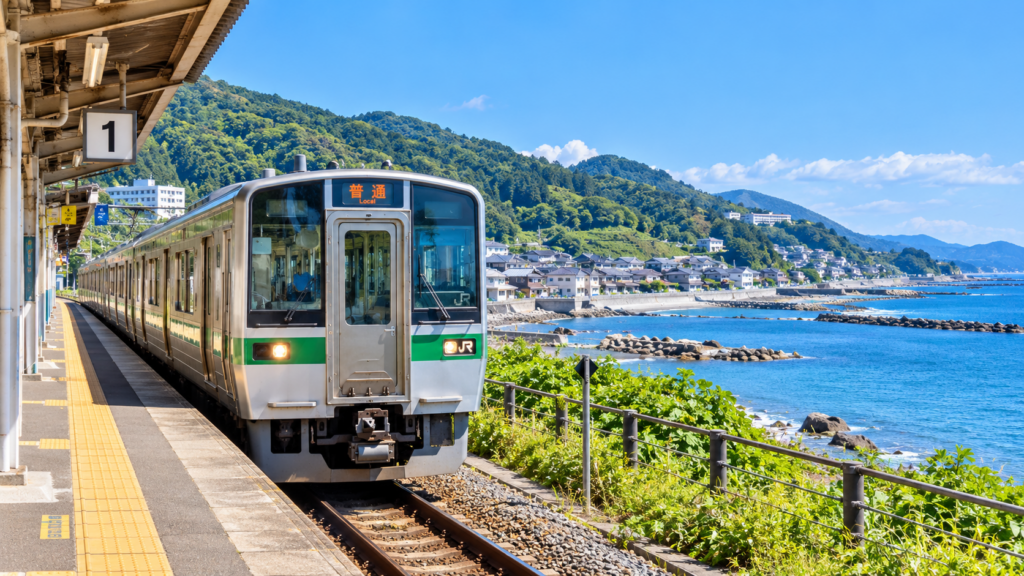
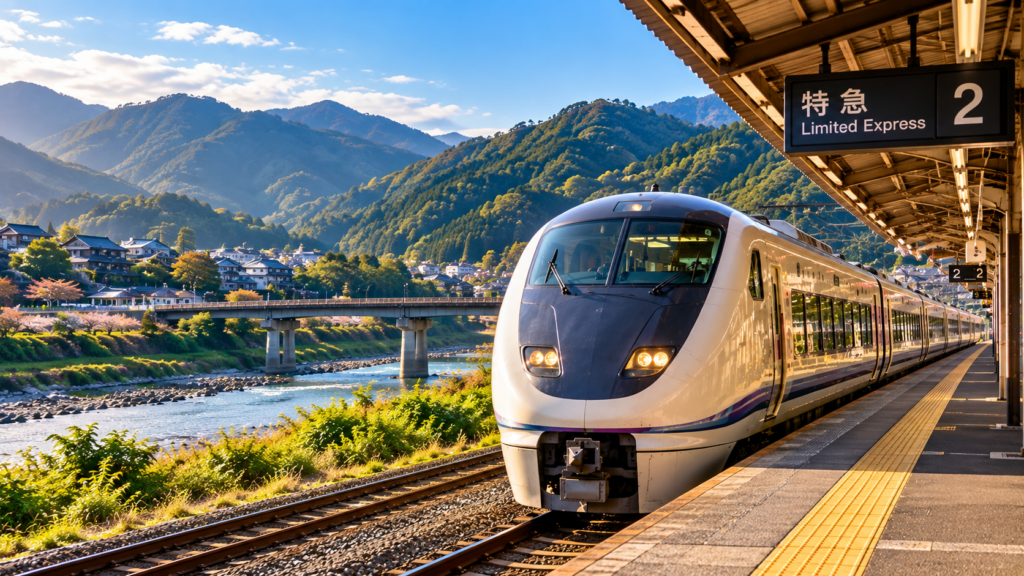
Local trains generally stop at every station. They are useful for short trips between nearby towns and cities. Rapid trains skip some stations, so they are usually faster than local trains. In many cases, you do not need to pay an extra fee to ride Rapid train.
Limited Express trains are faster than local and Rapid trains and are useful for longer journeys between regional cities. They may require an additional fee.
Which train should I take?
Choosing the right train depends on your destination, travel time, and budget. Here is a simple guide to help you decide.
| Option | Best for | Speed | Extra cost |
| Local train | Short trips | Slow | Usually no |
| Rapid train | Medium-distance trips | Faster | Usually no |
| Limited Express | Longer regional trips | Fast | Usually yes |
| Shinkansen | Long-distance travel | Very Fast | Yes |
Still not sure?
Check your route before you travel, and make sure you know whether you need a reserved seat or an additional ticket.
Train etiquette
- Keep your voice low on trains.
- Avoid phone calls and use headphones at a low volume.
- Wait for passengers to get off before boarding.
- Keep your luggage out of the way of other passengers.
- Priority seats are available for anyone, but please give them up to passengers who need them.
- Avoid eating on crowded commuter trains. Eating is generally more acceptable on Shinkansen and some long-distance trains.
Something went wrong?
Don’t panic. Here are quick answers to common problems.
Quick tips for first-time travelers
- Plan your route before leaving the station.
- Check the train name, destination, and platform number.
- When in doubt, ask a station staff member for help.
- Keep your ticket or IC card easy to reach.
- Allow extra time when changing trains.
Traveling by train in Japan may seem complicated at first, but once you understand the basics, it becomes much easier. Take your time, check the signs, and don’t be afraid to ask for help.
Before you go
A few things to check before taking a train in Japan.
Check your route
Know your destination and transfer stations.
Check your train
Make sure you’re taking the right train type.
Check your platform
Look at the departure board before boarding.
Keep your ticket handy
You may need it during your journey.
Useful links
Official train information and route planning resources can help you check schedules, routes, and service updates before you travel.
Need help?
Not sure what to do next? Check our practical guides for help with common travel problems in Japan.
I lost my luggage
Steps to take and who to contact.

I lost my phone
What to do and useful contacts in Japan.
I’m going to be late
How to change your ticket and what to expect.
More travel problems→